-1.png)
Template Dna
Template Dna - To crack the genetic code, researchers needed to figure out how sequences of nucleotides in a dna or rna molecule could encode the sequence of amino acids in a polypeptide. The rna product is complementary to the template strand and is almost identical to the other. Dna replication is a precise process where dna unwinds and splits into two strands. New dna is made by enzymes called dna polymerases, which require a template and a primer (starter) and synthesize dna in the 5' to 3' direction. As rna polymerase moves along the dna, it unwinds the double helix and adds. As it reads this template one base at a time, the polymerase builds an rna molecule out of complementary.
New dna is made by enzymes called dna polymerases, which require a template and a primer (starter) and synthesize dna in the 5' to 3' direction. Each newly formed dna double helix consists of one original strand (the template) and one newly synthesized strand. Transcription uses one of the two exposed dna strands as a template; The rna product is complementary to the template strand and is almost identical to the other. One strand of dna, the template strand, acts as a template for rna polymerase.
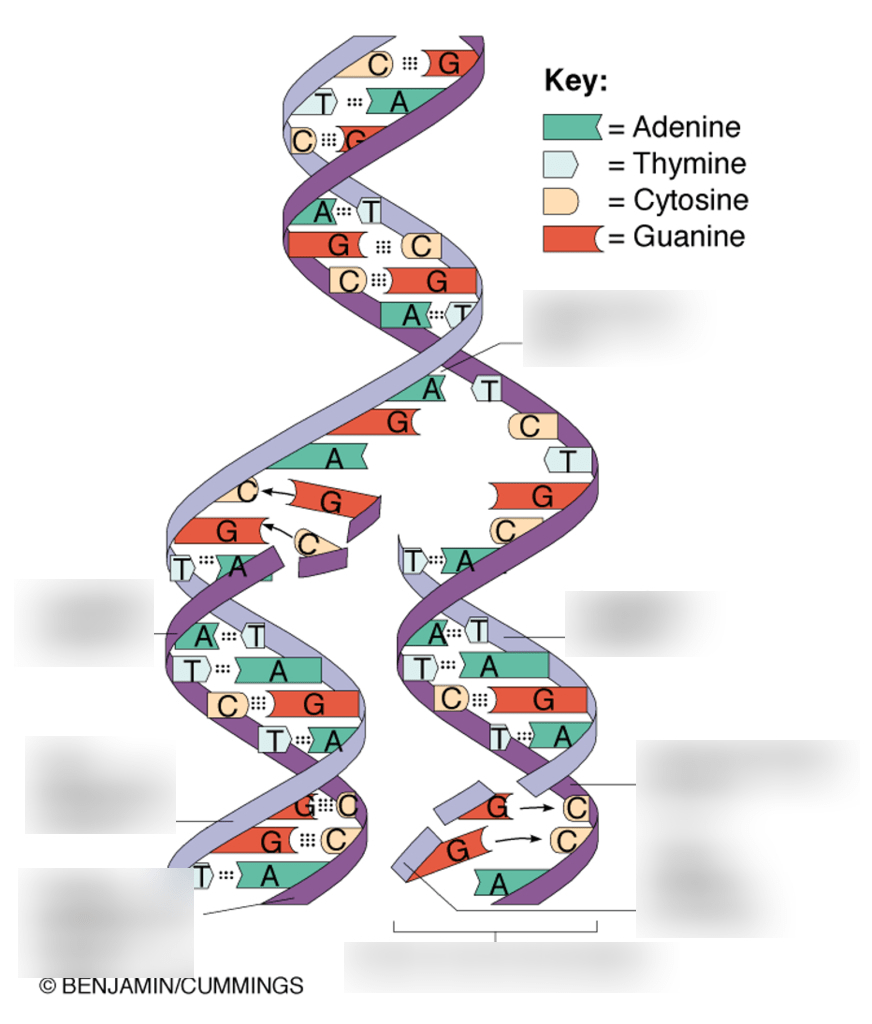
Each newly formed dna double helix consists of one original strand (the template) and one newly synthesized strand. Each strand then serves as a template for a new dna molecule. One strand of dna, the template strand, acts as a template for rna polymerase. Knowing the structure of dna unlocked the door to understanding many aspects of dna's function, such.

DNA Strands PowerPoint Template SlideModel
Each newly formed dna double helix consists of one original strand (the template) and one newly synthesized strand. Dna replication is a precise process where dna unwinds and splits into two strands. As rna polymerase moves along the dna, it unwinds the double helix and adds. To crack the genetic code, researchers needed to figure out how sequences of nucleotides.

Free Animated DNA PowerPoint Template and Google Slides SlideKit
Dna replication is a precise process where dna unwinds and splits into two strands. To crack the genetic code, researchers needed to figure out how sequences of nucleotides in a dna or rna molecule could encode the sequence of amino acids in a polypeptide. Knowing the structure of dna unlocked the door to understanding many aspects of dna's function, such.

DNA Template PDF
To crack the genetic code, researchers needed to figure out how sequences of nucleotides in a dna or rna molecule could encode the sequence of amino acids in a polypeptide. The ingredients are assembled in a tube, along with cofactors needed by the. During dna replication, one new strand (the leading. The leading strand is built continuously, while the. As.
This strand is called the template strand. During dna replication, one new strand (the leading. Rna polymerase uses one of a gene’s dna strands—the template strand—to build a complementary mrna molecule. As it reads this template one base at a time, the polymerase builds an rna molecule out of complementary. To crack the genetic code, researchers needed to figure out.
Template Dna - Knowing the structure of dna unlocked the door to understanding many aspects of dna's function, such as how it is copied and how the information it carries can be used to produce proteins. New dna is made by enzymes called dna polymerases, which require a template and a primer (starter) and synthesize dna in the 5' to 3' direction. Transcription uses one of the two exposed dna strands as a template; To crack the genetic code, researchers needed to figure out how sequences of nucleotides in a dna or rna molecule could encode the sequence of amino acids in a polypeptide. As it reads this template one base at a time, the polymerase builds an rna molecule out of complementary. During dna replication, one new strand (the leading.
Knowing the structure of dna unlocked the door to understanding many aspects of dna's function, such as how it is copied and how the information it carries can be used to produce proteins. This strand is called the template strand. New dna is made by enzymes called dna polymerases, which require a template and a primer (starter) and synthesize dna in the 5' to 3' direction. Each newly formed dna double helix consists of one original strand (the template) and one newly synthesized strand. As rna polymerase moves along the dna, it unwinds the double helix and adds.
Dna Replication Is A Precise Process Where Dna Unwinds And Splits Into Two Strands.
As rna polymerase moves along the dna, it unwinds the double helix and adds. Knowing the structure of dna unlocked the door to understanding many aspects of dna's function, such as how it is copied and how the information it carries can be used to produce proteins. The rna product is complementary to the template strand and is almost identical to the other. Each strand then serves as a template for a new dna molecule.
The Key Ingredients Of A Pcr Reaction Are Taq Polymerase, Primers, Template Dna, And Nucleotides (Dna Building Blocks).
New dna is made by enzymes called dna polymerases, which require a template and a primer (starter) and synthesize dna in the 5' to 3' direction. Rna polymerase uses one of a gene’s dna strands—the template strand—to build a complementary mrna molecule. During dna replication, one new strand (the leading. This strand is called the template strand.
Each Newly Formed Dna Double Helix Consists Of One Original Strand (The Template) And One Newly Synthesized Strand.
Dna sequencing is the process of determining the sequence of nucleotide bases (as, ts, cs, and gs) in a piece of dna. As it reads this template one base at a time, the polymerase builds an rna molecule out of complementary. Today, with the right equipment and materials, sequencing a short piece of dna is. One strand of dna, the template strand, acts as a template for rna polymerase.
The Ingredients Are Assembled In A Tube, Along With Cofactors Needed By The.
The leading strand is built continuously, while the. To crack the genetic code, researchers needed to figure out how sequences of nucleotides in a dna or rna molecule could encode the sequence of amino acids in a polypeptide. Transcription uses one of the two exposed dna strands as a template;