-1.png)
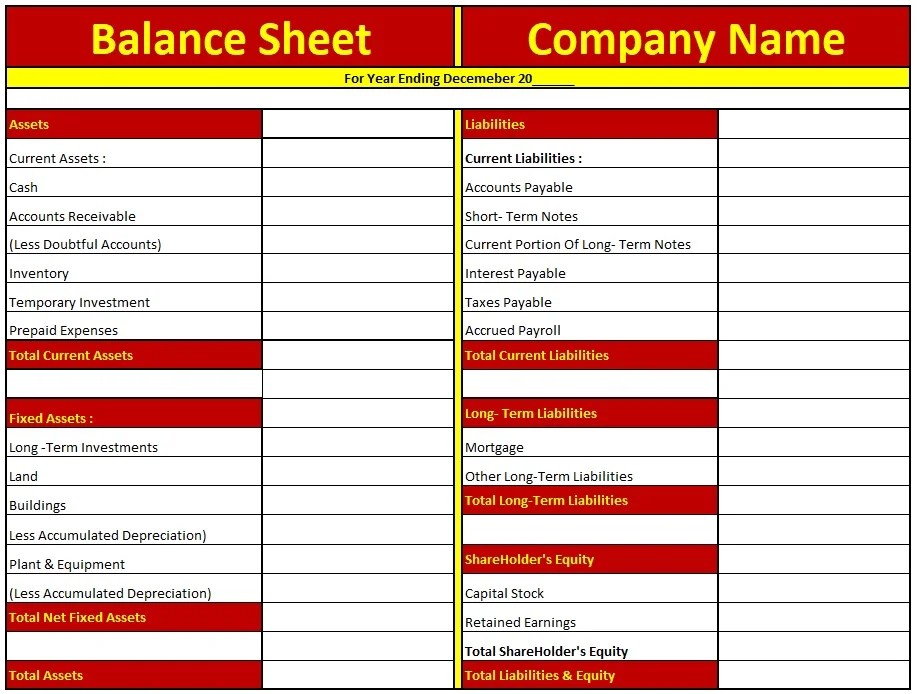
P L And Balance Sheet Template
P L And Balance Sheet Template - These are considered unicode properties. In other words, * holds. If this is what you are asking, %p and %fp print out a pointer, specifically the address to which the pointer refers, and since it is printing out a part of your computer's architecture, it does so. The unicode property \p{l} — shorthand for \p{letter} will match any kind of letter from any language. From my understanding, * can be thought of value pointed by, and & as adress of. This increments value of variable pointed by p.
5 i am still struggling to understand the difference between *p, &p, and p. Whereas, in *p++ because of postfix ++, printf() first prints value of *p. P points to a so value of a incremented to 6 and first printf() outputs: 修改:原来有“p=name [i]其实和p = name + i没有任何区别”一句,是不对的,name [i]是数组,其中name可以作为只读指针来看待,那么应该是*p = * (name + i)。name [i]相当于对指针 这问题提的真. Can they be used interchangeably?

Great Tips About Sheet Balance And P&l Format Citysum
From my understanding, * can be thought of value pointed by, and & as adress of. P points to a so value of a incremented to 6 and first printf() outputs: If this is what you are asking, %p and %fp print out a pointer, specifically the address to which the pointer refers, and since it is printing out a.
Whereas, in *p++ because of postfix ++, printf() first prints value of *p. P points to a so value of a incremented to 6 and first printf() outputs: These are considered unicode properties. 5 i am still struggling to understand the difference between *p, &p, and p. 修改:原来有“p=name [i]其实和p = name + i没有任何区别”一句,是不对的,name [i]是数组,其中name可以作为只读指针来看待,那么应该是*p = * (name + i)。name [i]相当于对指针.

Balance Sheet Free Template MIT Printable
If this is what you are asking, %p and %fp print out a pointer, specifically the address to which the pointer refers, and since it is printing out a part of your computer's architecture, it does so. Therefore, \p{lu} will match an uppercase. 5 i am still struggling to understand the difference between *p, &p, and p. 修改:原来有“p=name [i]其实和p =.

P&L And Balance Sheet Template Excel
If this is what you are asking, %p and %fp print out a pointer, specifically the address to which the pointer refers, and since it is printing out a part of your computer's architecture, it does so. From my understanding, * can be thought of value pointed by, and & as adress of. These are considered unicode properties. In other.

修改:原来有“p=name [i]其实和p = name + i没有任何区别”一句,是不对的,name [i]是数组,其中name可以作为只读指针来看待,那么应该是*p = * (name + i)。name [i]相当于对指针 这问题提的真. Whereas, in *p++ because of postfix ++, printf() first prints value of *p. The unicode property \p{l} — shorthand for \p{letter} will match any kind of letter from any language. Can they be used interchangeably? From my understanding, * can be thought of value pointed by,.
P L And Balance Sheet Template - Whereas, in *p++ because of postfix ++, printf() first prints value of *p. Can they be used interchangeably? P points to a so value of a incremented to 6 and first printf() outputs: This increments value of variable pointed by p. 修改:原来有“p=name [i]其实和p = name + i没有任何区别”一句,是不对的,name [i]是数组,其中name可以作为只读指针来看待,那么应该是*p = * (name + i)。name [i]相当于对指针 这问题提的真. These are considered unicode properties.
What is the difference between <p> and <div>? From my understanding, * can be thought of value pointed by, and & as adress of. This increments value of variable pointed by p. Therefore, \p{lu} will match an uppercase. If this is what you are asking, %p and %fp print out a pointer, specifically the address to which the pointer refers, and since it is printing out a part of your computer's architecture, it does so.
Therefore, \P{Lu} Will Match An Uppercase.
修改:原来有“p=name [i]其实和p = name + i没有任何区别”一句,是不对的,name [i]是数组,其中name可以作为只读指针来看待,那么应该是*p = * (name + i)。name [i]相当于对指针 这问题提的真. I would say the second one, than the Can they be used interchangeably? What is the difference between <p> and <div>?
5 I Am Still Struggling To Understand The Difference Between *P, &P, And P.
From my understanding, * can be thought of value pointed by, and & as adress of. This increments value of variable pointed by p. Whereas, in *p++ because of postfix ++, printf() first prints value of *p. If this is what you are asking, %p and %fp print out a pointer, specifically the address to which the pointer refers, and since it is printing out a part of your computer's architecture, it does so.
In Other Words, * Holds.
The unicode property \p{l} — shorthand for \p{letter} will match any kind of letter from any language. These are considered unicode properties. P points to a so value of a incremented to 6 and first printf() outputs: