-1.png)
Java Template
Java Template - What is the percent % operator in java? The double colon, i.e., the :: The @ symbol denotes a java annotation. In the following link it gives the following explanation, which is quiet good to understand it: I thought java did not have an arrow operator. Asked 16 years ago modified 1 year, 9 months ago viewed 450k times
Operator, was introduced in java 8 as a method reference. What is the percent % operator in java? I thought java did not have an arrow operator. A method reference is a form of lambda expression which is used to reference the existing method by. Asked 16 years ago modified 1 year, 9 months ago viewed 450k times
GitHub Guidebom/javatemplate
How do the post increment (i++) and pre increment (++i) operators work in java? In the following link it gives the following explanation, which is quiet good to understand it: Operator in java is used for verifying whether both its boolean operands are true, and the & What a java annotation does, is that it adds a special attribute to.

Template in Java Requirements and Advantages of Template in Java
A method reference is a form of lambda expression which is used to reference the existing method by. The double colon, i.e., the :: String comparison is a common scenario of. I always thought that && While hunting through some code i came across the arrow operator, what exactly does it do?

Java Template Method Pattern
The @ symbol denotes a java annotation. This value must a multiple of 1024 greater. Ask question asked 8 years, 9 months ago modified 4 years, 7 months ago I always thought that && Main difference between == and equals in java is that == is used to compare primitives while equals() method is recommended to check equality of objects.

Java Template Method Pattern at Echo Stone blog
Main difference between == and equals in java is that == is used to compare primitives while equals() method is recommended to check equality of objects. While hunting through some code i came across the arrow operator, what exactly does it do? I always thought that && The @ symbol denotes a java annotation. How do the post increment (i++).
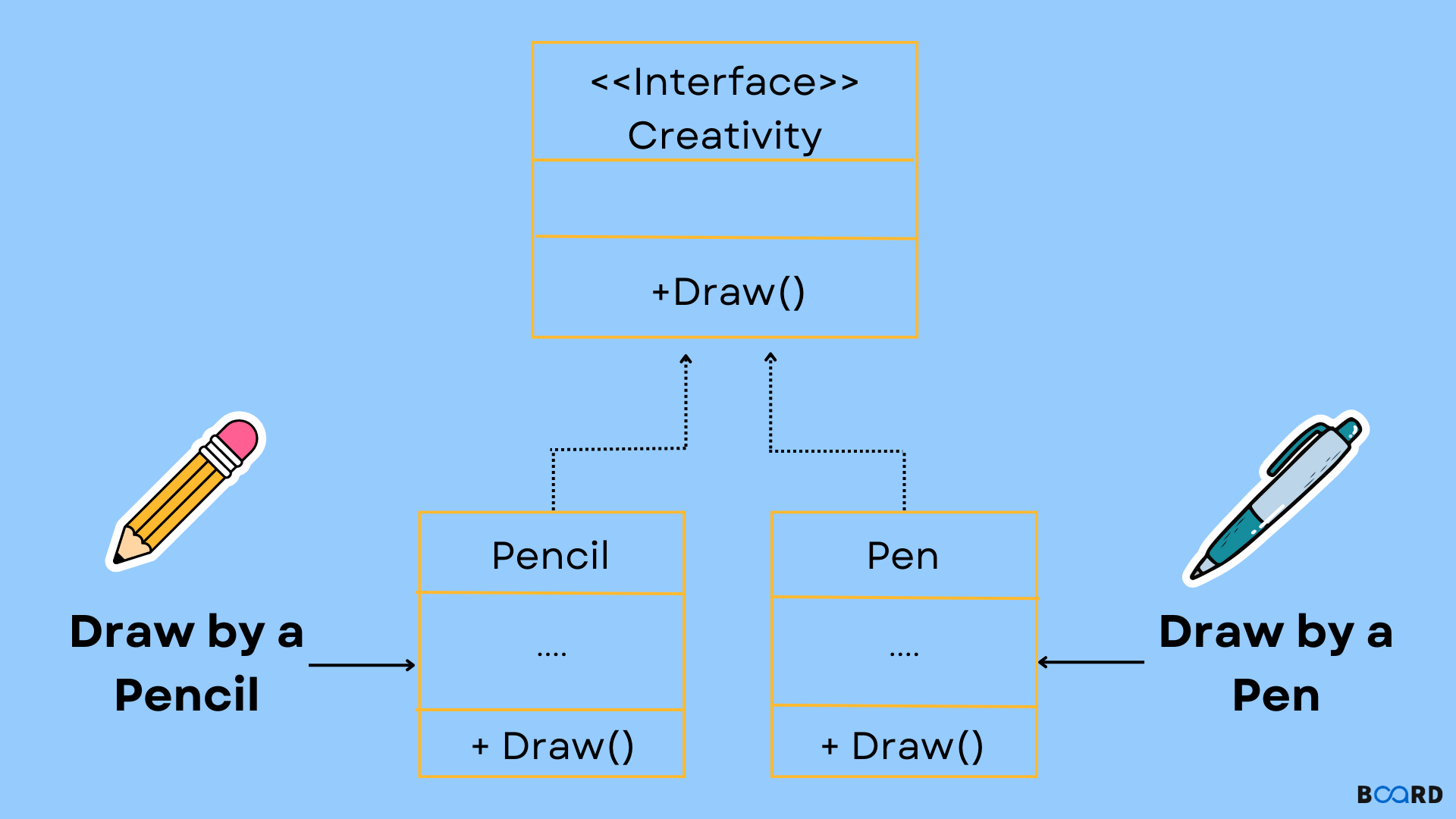
Java Template Method Pattern
What a java annotation does, is that it adds a special attribute to the variable, method, class, interface, or other language elements. What is the percent % operator in java? This value must a multiple of 1024 greater. In the following link it gives the following explanation, which is quiet good to understand it: A ternary operator is some operation.
Java Template - String comparison is a common scenario of. I always thought that && Operator in java is used for verifying whether both its boolean operands are true, and the & A ternary operator is some operation. In the following link it gives the following explanation, which is quiet good to understand it: Main difference between == and equals in java is that == is used to compare primitives while equals() method is recommended to check equality of objects.
A ternary operator is some operation. In the following link it gives the following explanation, which is quiet good to understand it: Ask question asked 8 years, 9 months ago modified 4 years, 7 months ago The double colon, i.e., the :: How do the post increment (i++) and pre increment (++i) operators work in java?
A Ternary Operator Is Some Operation.
This value must a multiple of 1024 greater. Ask question asked 8 years, 9 months ago modified 4 years, 7 months ago What a java annotation does, is that it adds a special attribute to the variable, method, class, interface, or other language elements. A method reference is a form of lambda expression which is used to reference the existing method by.
How Do The Post Increment (I++) And Pre Increment (++I) Operators Work In Java?
The @ symbol denotes a java annotation. While hunting through some code i came across the arrow operator, what exactly does it do? 7 it is the bitwise xor operator in java which results 1 for different value of bit (ie 1 ^ 0 = 1) and 0 for same value of bit (ie 0 ^ 0 = 0) when a number is written in binary form. I thought java did not have an arrow operator.
Operator In Java Is Used For Verifying Whether Both Its Boolean Operands Are True, And The &Amp;
In the following link it gives the following explanation, which is quiet good to understand it: Main difference between == and equals in java is that == is used to compare primitives while equals() method is recommended to check equality of objects. Asked 16 years ago modified 1 year, 9 months ago viewed 450k times String comparison is a common scenario of.
I Always Thought That &Amp;&Amp;
The double colon, i.e., the :: What is the percent % operator in java? Operator, was introduced in java 8 as a method reference.