-1.png)
Definition Of Template Strand
Definition Of Template Strand - Template strand functions as a base for the rna synthesis. This strand contains the specific sequence of nucleotides that will be. In contrast, the coding strand, or sense strand, mirrors the sequence of the resultant mrna,. A template strand is the term that refers to the strand used by dna polymerase or rna polymerase to attach complementary bases during dna replication or rna transcription,. A dna template strand generally refers to the strand which is used by the enzyme dna polymerases and rna polymerases to attach with the. The coding strand, also called the sense strand or the plus strand, is a crucial component of the dna molecule.
What is the difference between coding strand and template strand? The template strand is usually directed 3’ to 5’ in direction. The template strand is the single strand of dna that serves as a guide for the synthesis of a complementary strand during processes like dna replication and transcription. The template strand, also referred to as the antisense strand or the minus strand, plays an important role in rna synthesis. It is essential for the accurate.

Template Strand Vs Non Template Strand
The coding strand functions to determine the correct nucleotide base sequence of the rna strand. What is the difference between coding strand and template strand? The template strand imparts the. In the process of transcription, one that is used as a template in order to form the messenger rna is termed as a template strand. The coding strand, also called.

Coding Strand vs. Template Strand 6 Key Differences
The coding strand, also called the sense strand or the plus strand, is a crucial component of the dna molecule. A template strand is the term that refers to the strand used by dna polymerase or rna polymerase to attach complementary bases during dna replication or rna transcription,. Template strand functions as a base for the rna synthesis. The coding.

What is A Template Strand Difference Between Template and Coding Strand
It is also known as an antisense strand and it runs in 3’ to 5’. The template strand is the single strand of dna that serves as a guide for the synthesis of a complementary strand during processes like dna replication and transcription. A template strand is the term that refers to the strand used by dna polymerase or rna.
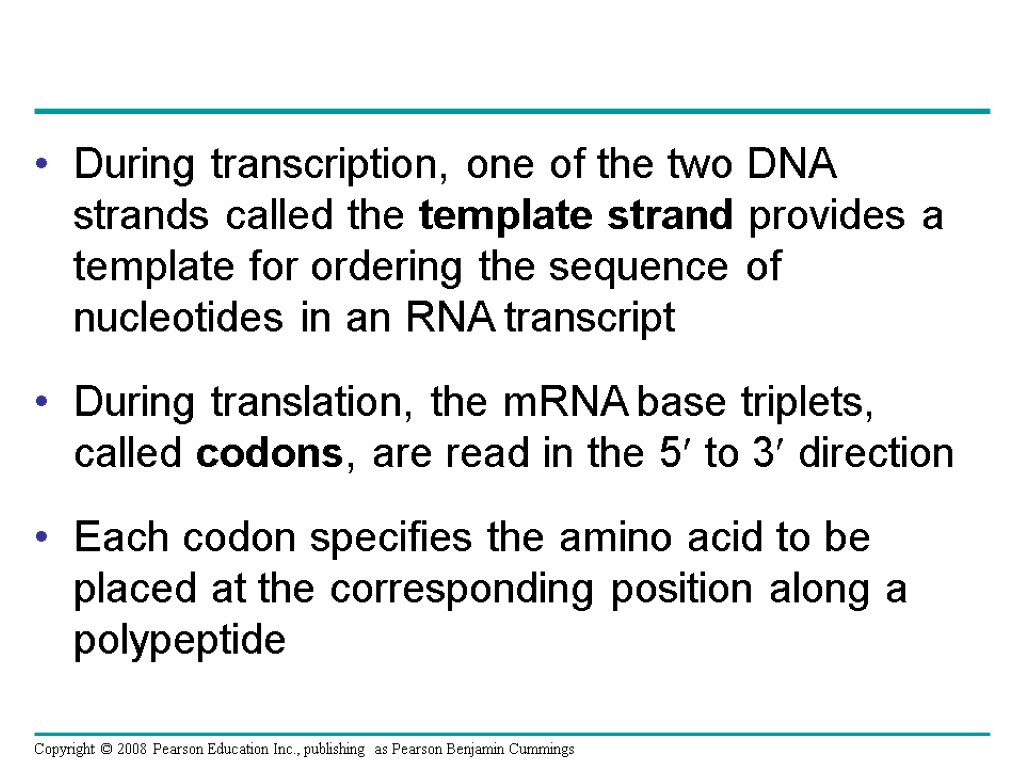
Template Strand Definition Biology
Template strand functions as a base for the rna synthesis. A template strand is the term that refers to the strand used by dna polymerase or rna polymerase to attach complementary bases during dna replication or rna transcription,. The coding strand, also called the sense strand or the plus strand, is a crucial component of the dna molecule. The template.

Difference Between Template and Coding Strand
The template strand is the single strand of dna that serves as a guide for synthesizing rna during transcription. In contrast, the coding strand, or sense strand, mirrors the sequence of the resultant mrna,. The coding strand functions to determine the correct nucleotide base sequence of the rna strand. What is the difference between coding strand and template strand? The.
Definition Of Template Strand - The strand of dna from which mrna is formed after transcription is known as the template strand or the antisense strand. The template strand is the dna strand that serves as a guide for synthesizing an rna molecule during transcription. The template strand is the single strand of dna that serves as a guide for synthesizing rna during transcription. In the process of transcription, one that is used as a template in order to form the messenger rna is termed as a template strand. What is the difference between coding strand and template strand? What is dna template strand?
It is also known as an antisense strand and it runs in 3’ to 5’. In contrast, the coding strand, or sense strand, mirrors the sequence of the resultant mrna,. A template strand is the term that refers to the strand used by dna polymerase or rna polymerase to attach complementary bases during dna replication or rna transcription,. The template strand is the single strand of dna that serves as a guide for synthesizing rna during transcription. The strand of dna from which mrna is formed after transcription is known as the template strand or the antisense strand.
In The Process Of Transcription, One That Is Used As A Template In Order To Form The Messenger Rna Is Termed As A Template Strand.
The template strand, also known as the coding strand or sense strand, is the dna strand that serves as the template for the synthesis of rna during the process of transcription. It is also known as an antisense strand and it runs in 3’ to 5’. The coding strand functions to determine the correct nucleotide base sequence of the rna strand. It is essential for the accurate.
The Strand Of Dna From Which Mrna Is Formed After Transcription Is Known As The Template Strand Or The Antisense Strand.
The template strand is the single strand of dna that serves as a guide for synthesizing rna during transcription. The coding strand, also called the sense strand or the plus strand, is a crucial component of the dna molecule. What is dna template strand? The template strand, or antisense strand, serves as the guide for rna synthesis.
The Template Strand Imparts The.
The template strand is the dna strand that serves as a guide for synthesizing an rna molecule during transcription. The coding strand of dna is the strand that codes for the gene of interest. Template strand functions as a base for the rna synthesis. A template strand is the term that refers to the strand used by dna polymerase or rna polymerase to attach complementary bases during dna replication or rna transcription,.
In Contrast, The Coding Strand, Or Sense Strand, Mirrors The Sequence Of The Resultant Mrna,.
The template strand, also referred to as the antisense strand or the minus strand, plays an important role in rna synthesis. The template strand is usually directed 3’ to 5’ in direction. A dna template strand generally refers to the strand which is used by the enzyme dna polymerases and rna polymerases to attach with the. The template strand is the single strand of dna that serves as a guide for the synthesis of a complementary strand during processes like dna replication and transcription.